Research Domains
We investigate the intersection of artificial intelligence and rural education. Our focus is the 62 regencies of Indonesia's 3T regions.
The 3T Context
Daerah 3T (Tertinggal, Terdepan, dan Terluar) represent 62 regencies identified by Perpres No. 63/2020. These target regions form the core laboratory for our localized interventions.
Geospatial Distribution
Select Cluster
Pilih klaster di bawah atau klik langsung di peta untuk melihat metrik 3T.
Context & Reality
Daerah 3T (Tertinggal, Terdepan, dan Terluar) represent 62 regencies identified by Perpres No. 63/2020. These target regions form the core laboratory for our localized interventions.
Target period: 2020–2024 (Presidential Decree No. 63/2020)
Inclusion Criteria
Sumatera
- North Sumatera (Nias, South Nias, North Nias, West)
- West Sumatera (Mentawai Islands)
- South Sumatera (North Musi Rawas)
- Lampung (West Pesisir)
Nusa Tenggara
- NTB (North Lombok)
- NTT (West Sumba, East, Central, Southwest, Kupang, TTS, Belu, Alor, Lembata, Rote Ndao, East Manggarai, Sabu Raijua, Malaka)
Sulawesi
- Central Sulawesi (Donggala, Sigi, Tojo Una-Una)
Maluku & Papua
- Maluku (MTB, Aru Islands, MBD, South Buru)
- North Maluku (Sula Islands, Taliabu Island)
- Papua & West Papua (Including Nabire, Asmat, Raja Ampat, Teluk Wondama)
Strategic Domains
How we test complex technical systems against the realities of rural infrastructure.
Teacher AI Literacy
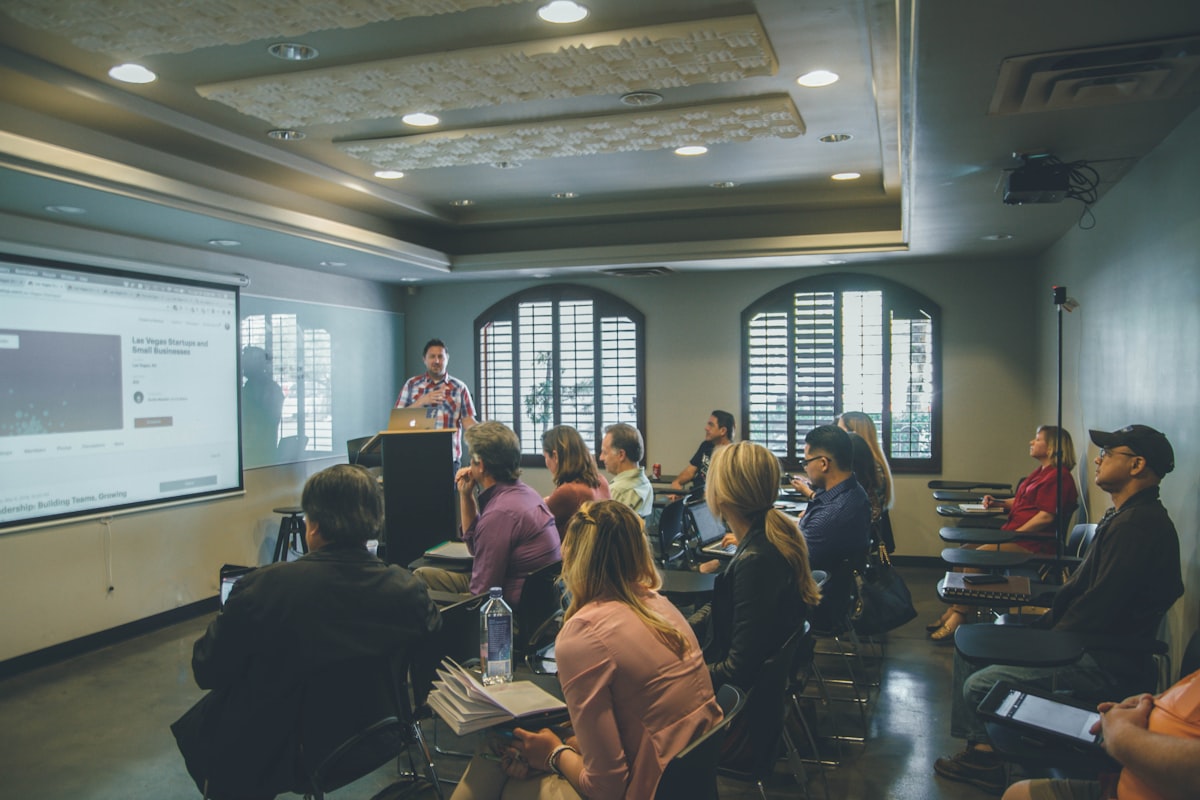
We test methods to build computational thinking alongside educators. We do not just hand over software; we observe what tools survive in classrooms with intermittent electricity. We host workshops to unpack complex algorithms, helping teachers use technology as a pedagogical aid rather than a distraction. Our objective is to see educators guide their communities, confident in the digital systems they choose to adopt.

Localized Language Models
We research how to run multi-billion parameter models on standard tablets. Our engineers test quantization techniques to strip down models until they fit on edge servers. We focus on Bahasa Indonesia and regional dialects. High-speed internet is rare in the furthest reaches of the archipelago. We hypothesize that offline-first models can bridge the divide before fiber optics arrive.

Ethical Design in Rural Contexts
We document the socio-technical impact of AI in underserved regions. Algorithmic bias looks different in a village than in a metropolis. We conduct ethnographic studies to understand how automation interacts with indigenous knowledge systems. We aim to establish a framework for rural AI that prioritizes human agency and local sovereignty over data.

Contextual Adaptive Learning
We track how students interact with personalized learning paths. Our platforms use reinforcement learning to recommend content adapted to local environments. We test whether incorporating cultural metaphors improves comprehension curves for students in NTT and Sumatera. We want to ensure remote students receive careful, individualized instruction, regardless of local teacher shortages.

Decentralized Mesh Networks
We deploy low-power edge nodes deep in Kalimantan. This network allows local researchers and indigenous groups to log biodiversity data without satellite links. The system manages data synchronization across nodes autonomously. This infrastructure acts as a resilient backbone for scientific field recording in heavily forested environments.

Data-Driven Agriculture
We integrate basic soil analysis and localized weather data for smallholder farmers in Java. We avoid complex dashboards. Instead, we test delivering actionable insights through simple mobile interfaces that require minimal technical literacy. We measure whether predictive warnings on water usage hold up against traditional farming intuition.

Solar-Powered Hubs
We design server nodes that function independently of grid power. We build these clusters with weather-resistant materials and standard solar arrays to survive tropical heat. We observe their uptime in community centers across Sulawesi and Kalimantan. If the edge of the network is off-grid, the knowledge base must be too.

Policy for Digital Equity
We analyze legislative bottlenecks that slow infrastructure deployment. We speak with the Ministry of Education and Bappenas to review national roadmaps. We propose strategies like spectrum sharing to secure bandwidth for educational hubs. We map our findings to the development goals of Perpres 63/2020.
Equitable Opportunities
Our research must serve the residents of the 3T regions. We provide data-backed recommendations for:
Need Field Data?
Are you designing assistance programs or scholarships for students in 3T regions? We can share research-backed profiles to help target your efforts.